Introduction
Advancements in artificial intelligence have consistently pushed the boundaries of technology. As we look to 2026, one of the most promising developments is neuromorphic computing. This innovative approach seeks to replicate the brain's architecture, offering a new frontier for AI capabilities. The field of neuromorphic computing is not just about mimicking brain functionality but also about achieving unprecedented levels of computational power efficiency and speed that traditional silicon-based systems struggle to match. As the demand for more intelligent and energy-efficient systems grows, neuromorphic computing stands out as a beacon of future innovation.
Understanding Neuromorphic Computing
Neuromorphic computing is a paradigm shift from traditional computing, which relies on silicon-based transistors. By emulating the neural structures of the human brain, it aims to enhance learning processes and computational efficiency. Traditional computing systems process information sequentially, which can be a bottleneck for tasks requiring real-time data processing. In contrast, neuromorphic systems take a parallel processing approach, allowing them to handle complex and dynamic data streams more effectively.
The Brain as Inspiration
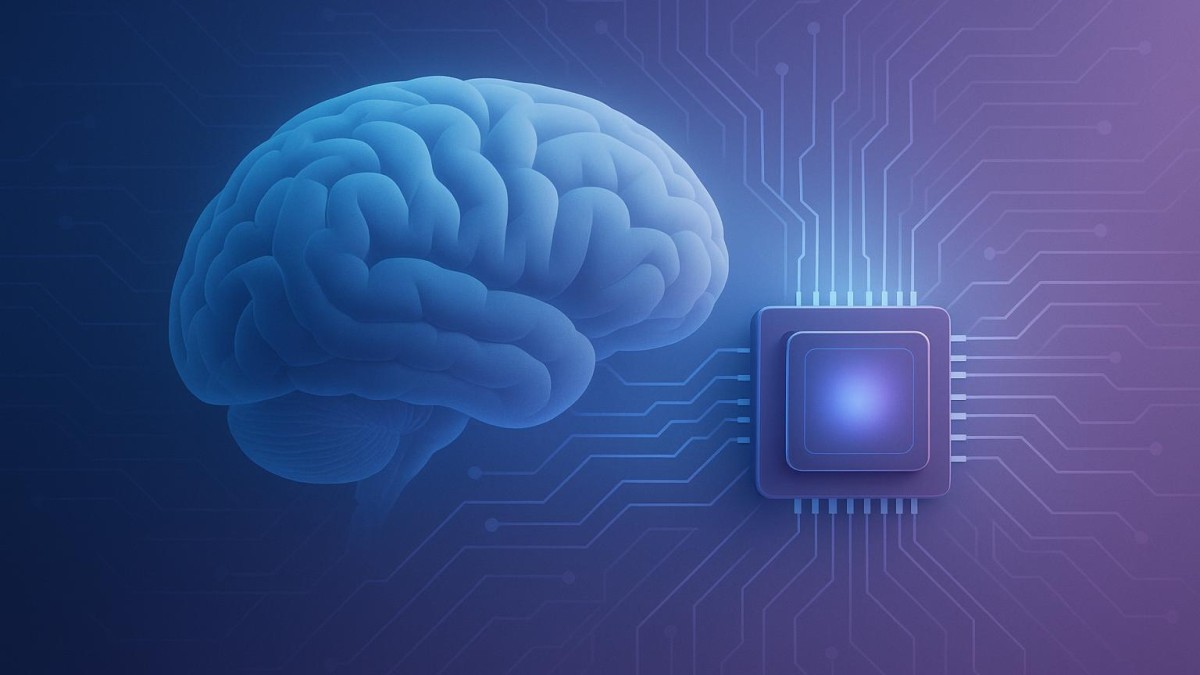
The human brain is a complex network of neurons capable of processing and transmitting information at remarkable speeds. Neuromorphic computing mimics this neural architecture through specialized hardware, such as spiking neural networks and memristors, to process data more efficiently. The brain's ability to learn from experience, adapt to new situations, and operate with minimal energy consumption is a key inspiration behind neuromorphic designs. For instance, in the brain, synaptic plasticity enables learning and memory, and similar mechanisms are being explored in neuromorphic systems to allow AI to adapt and evolve.
Key Components
- Spiking Neural Networks: Unlike traditional neural networks, these use spikes of electricity to transmit information, closely mirroring biological processes. This approach not only allows for more biologically plausible models but also reduces the power requirements, as spikes are only generated when necessary, in contrast to the continuous signals in traditional systems.
- Memristors: These components store data by varying their resistance, akin to synapses in the brain. Memristors offer non-volatile memory storage, meaning they can retain information without power, which is crucial for developing energy-efficient computing systems that can mimic human memory retention and recall.
- Low Power Consumption: By mimicking the brain's efficiency, neuromorphic systems consume significantly less energy, making them ideal for mobile and embedded systems. This is particularly beneficial in applications like wearables and IoT devices, where power efficiency is critical. For example, a neuromorphic processor can potentially operate on a fraction of the energy required by a conventional processor while performing similar tasks.
Applications and Impact
By 2026, neuromorphic computing is expected to impact various sectors significantly. Its unique capabilities open up opportunities for advancement in fields that require real-time processing and adaptive learning.
Enhanced AI Systems
Neuromorphic architectures can process data in real-time, leading to faster and more accurate AI systems. This will be particularly beneficial in areas like autonomous vehicles, robotics, and IoT devices. In autonomous vehicles, for example, the ability to rapidly process sensory data and make split-second decisions is crucial for safety and efficiency. Neuromorphic systems could enable these vehicles to better interpret their surroundings and react more like a human driver would.
Indian Market Potential
India, with its burgeoning tech ecosystem, stands to benefit immensely. The integration of neuromorphic computing could lead to innovative solutions in agriculture, healthcare, and smart cities, addressing unique challenges with tailored AI applications. In agriculture, for example, neuromorphic systems could analyze data from drones and sensors to optimize irrigation, monitor crop health, and predict yields with higher accuracy. In healthcare, the technology could be used to develop personalized treatment plans and improve diagnostic accuracy, while in smart cities, it could enhance traffic management and energy consumption.
Challenges and Opportunities
While promising, neuromorphic computing faces challenges such as high initial costs and the need for specialized skills. However, these are balanced by opportunities for innovation and growth. The high initial development costs can be a barrier for widespread adoption, but as the technology matures and economies of scale come into play, costs are expected to decrease. Moreover, the need for specialized skills presents an opportunity for educational institutions to develop new curricula focusing on neuromorphic engineering, thereby preparing the next generation of engineers for this cutting-edge field.
| Challenge | Opportunity |
|---|---|
| High Development Costs | Potential for Long-term Savings |
| Skill Gap | Educational Initiatives |
| Market Adoption | First-mover Advantage |
Conclusion
Neuromorphic computing is set to redefine AI and its applications, offering unprecedented potential for efficiency and innovation. While challenges remain, the benefits for developers, businesses, and society are immense, particularly in India. By fostering a collaborative environment between academia, industry, and government, India could position itself as a leader in the neuromorphic computing landscape. The journey towards fully realizing the potential of this technology will require concerted efforts in research, development, and policy-making, but the rewards promise to be transformational.
Frequently Asked Questions
What is neuromorphic computing?
Neuromorphic computing is an approach that replicates the brain's neural architecture to improve computational efficiency. It aims to bring the capabilities of artificial systems closer to the cognitive functions of biological brains.
How does it differ from traditional computing?
Unlike traditional computing, which uses silicon transistors, neuromorphic computing uses components like memristors to mimic brain functions. This allows neuromorphic systems to process information in ways that are more aligned with how the human brain works, including parallel processing and energy-efficient computation.
What are the potential applications?
Applications include enhanced AI systems, autonomous vehicles, robotics, and IoT devices. Additionally, neuromorphic computing could revolutionize fields such as cybersecurity by enabling more adaptive and resilient systems capable of responding to new threats in real-time.
Why is it important for India?
India's tech ecosystem can leverage neuromorphic computing for innovative solutions in agriculture, healthcare, and smart cities. The technology's potential to address local challenges with customized solutions could significantly impact India's economic growth and societal development.
What challenges does it face?
Challenges include high development costs and a skill gap, but these are offset by significant opportunities. The global move towards digital transformation offers a fertile ground for neuromorphic technology to thrive, paving the way for future advancements in AI and computing.
Get Started Today
Embrace the next frontier of AI with neuromorphic computing. Contact us at Dev India IT Services to explore how this technology can transform your business. Whether you're looking to enhance your AI capabilities or explore new frontiers in computing, our team is ready to guide you through the exciting possibilities that neuromorphic computing has to offer.