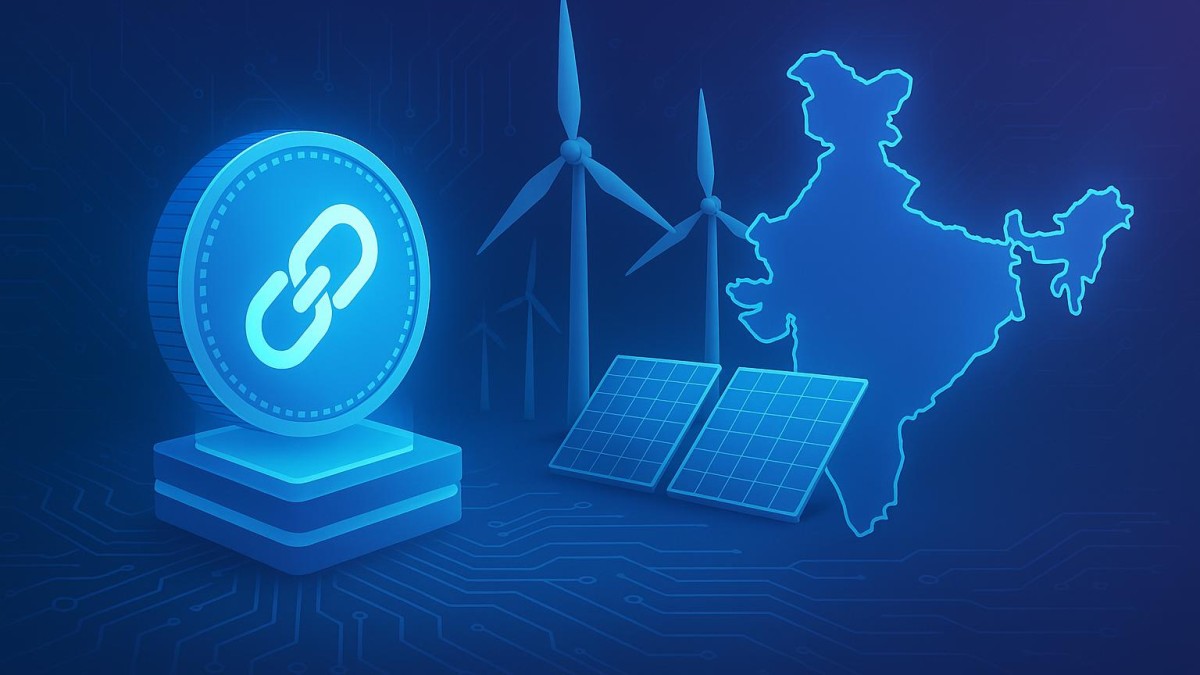
As India marches towards a sustainable future, the need for clean energy sources has never been more pressing. With a growing population and increased energy demands, tapping into renewable energy is not just wise but essential. Here’s where blockchain technology steps in. Originally known for powering cryptocurrencies like Bitcoin, blockchain is now a game-changer for India's green energy revolution.
Why Blockchain Matters for Green Energy
Blockchain is a digital ledger system that’s secure and transparent. This makes it perfect for managing complex energy systems. In India, where the energy sector is vast and varied, having such a system can ensure that everything from production to consumption is trackable and efficient. Imagine the chaotic traffic in a busy Indian city. Blockchain is like a traffic signal system that ensures smooth flow, making sure every transaction in the energy sector is recorded and transparent.
How Blockchain Enhances Efficiency
India’s green energy sector comprises solar farms, wind turbines, and biogas plants. Blockchain can streamline operations in these sectors in various ways:
- Real-time Tracking: Blockchain allows for the real-time tracking of energy production and distribution, ensuring minimal waste. For example, a wind farm in Tamil Nadu can monitor its energy output and adjust operations immediately if there’s a drop in production due to weather changes.
- Smart Contracts: These are self-executing contracts with the terms of the agreement written into code. In energy, they automate transactions, reducing paperwork and errors. Think of it as an automatic toll booth that collects fees without human intervention, ensuring efficiency and reducing delays.
- Decentralization: With blockchain, energy producers can connect directly with consumers, eliminating the need for middlemen and reducing costs. For instance, a local farmer in Gujarat with solar panels can sell excess energy directly to a nearby factory, ensuring fair compensation without extra charges.
Transparency in Green Energy Projects
In a country as large as India, ensuring transparency in energy projects is critical. Blockchain records are immutable, meaning they cannot be altered. This feature helps in:
- Authenticating Renewable Sources: Consumers can be assured that the energy they use is genuinely green. For example, a resident in Bengaluru can verify that the electricity powering their home is sourced from a local solar plant.
- Preventing Fraud: With all transactions recorded, it becomes difficult to manipulate data, ensuring funds are used appropriately. This transparency maintains public trust and encourages more people to invest in green energy projects.
Practical Examples in India
Let's look at some real-world applications:
- UPI for Solar Credits: Imagine using your smartphone to buy solar credits from your rooftop panels. Blockchain can make such direct peer-to-peer transactions possible. This is similar to how UPI revolutionized digital payments, making them easy and accessible for everyone.
- Community Grids: In villages, small solar grids can use blockchain to distribute energy efficiently among households, ensuring fair pricing and usage. In a village in Rajasthan, this could mean that each household gets a fair share of the solar energy generated, preventing disputes and ensuring cooperation.
- Startup Initiatives: Startups like IndiaChain are leveraging blockchain to support energy trading platforms, making the market more accessible. These platforms democratize energy access, allowing small producers to enter the market and compete with bigger players, much like how local kirana shops compete with supermarkets.
Challenges and Solutions
While blockchain offers numerous benefits, it’s not without challenges:
- Technical Complexity: Blockchain technology requires technical expertise. Training programs and partnerships with tech companies can help overcome this. The government and educational institutions can play vital roles in providing this training, much like the digital literacy programs that have empowered many to use smartphones and the internet.
- Integration: Existing energy systems need to be compatible with blockchain. Gradual integration and pilot projects can mitigate these challenges. For example, integrating blockchain with existing solar power systems in Kerala could start with a pilot project in a single district before expanding statewide.
Despite these hurdles, the benefits far outweigh the drawbacks, and with the right strategies, blockchain can significantly enhance India's green energy sector. As people become more aware of its advantages, the adoption of blockchain will likely increase, leading to more sustainable and efficient energy usage.
Conclusion
Blockchain technology holds immense promise for India’s green energy revolution. By improving efficiency, transparency, and accessibility, it ensures that renewable energy becomes a viable option for all Indians. As we embrace this technology, we not only support a sustainable future but also contribute to a cleaner planet. This journey is akin to India's space program, which began with humble beginnings but has now reached the moon. With patience and dedication, blockchain can take India's energy sector to new heights.
Frequently Asked Questions
What is blockchain?
Blockchain is a secure, decentralized digital ledger that records transactions across multiple computers.
How does blockchain help green energy?
It improves efficiency and transparency in energy production and distribution, ensuring minimal waste and fraud.
Can blockchain make energy cheaper?
Yes, by cutting out middlemen and automating transactions, blockchain can reduce costs in the energy sector.
Are there any local examples of blockchain in energy?
Yes, startups and community grids in India are already leveraging blockchain to manage energy more effectively.
What are smart contracts?
Smart contracts are self-executing agreements with terms written into code, often used to automate transactions.
Is blockchain difficult to implement?
It can be complex, but with the right expertise and gradual integration, it can be successfully implemented.
Can blockchain be used for other sectors?
Certainly, blockchain is versatile and can be applied to finance, supply chains, healthcare, and more.
Get Started Today
If you're interested in how blockchain can benefit your business or community energy project, reach out to us today. Visit our contact page to get started on your journey towards a greener future. Our team at Dev India IT Services is ready to guide you with tailored solutions that meet your specific needs, ensuring you reap the full benefits of this transformative technology.