Robotic Farming in India
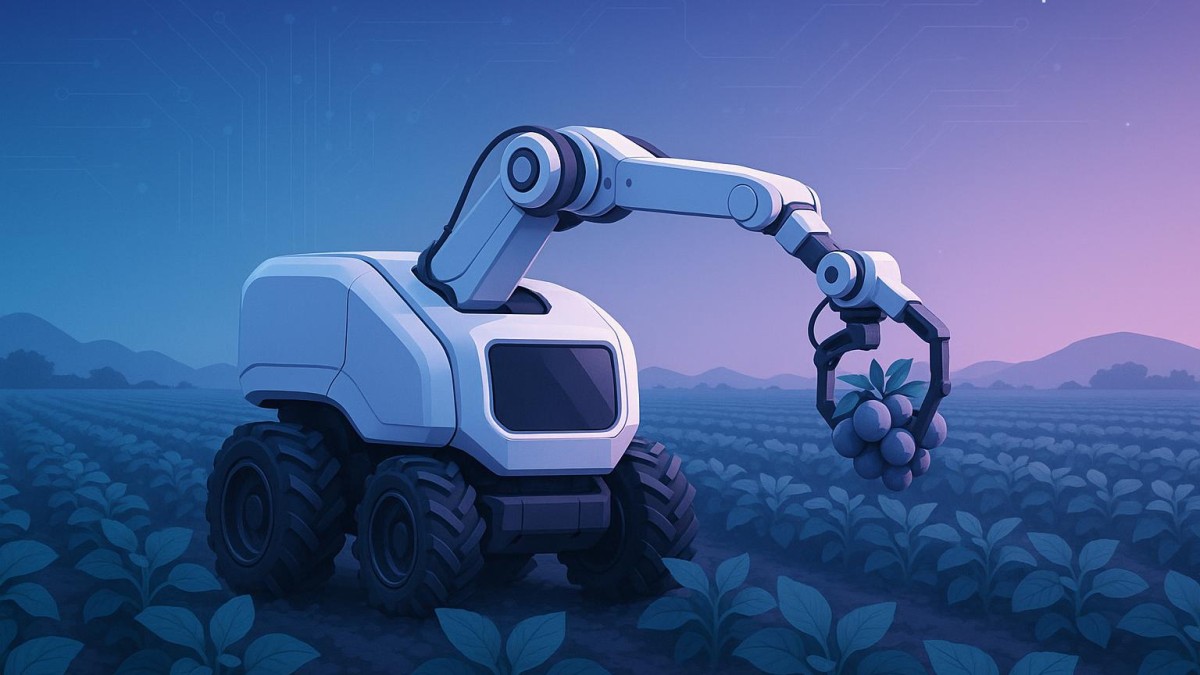
Robots are now working on real farms across India. They plant seeds, water crops, check plant health, and harvest produce. It sounds futuristic, but it's already happening — and it's changing lives.
What Is Robotic Farming?
It's simple. Machines do the farm work that humans used to do by hand. Planting, watering, spraying, picking — all of it. Farmers still make the decisions. The robots just carry them out, faster and with less waste.
Why India Needs It
Half of India's workers depend on farming. But farming here is hard — unpredictable rains, rising costs, and fewer young people willing to work the land.
Robots don't get tired. They work at night. They don't need as many hands. For a country feeding over a billion people, that matters a lot.
The Good Parts
|
The Hard Parts
|
What's Being Done
The government is offering subsidies to bring costs down. Startups in Bengaluru are building smaller, cheaper robots that work on small farms — not just big commercial ones.
In Kerala, farmers are attending hands-on workshops to learn how to actually use the technology. In Punjab, robotic arms are milking cows. In Maharashtra, drones are spraying fertilizer from the air.
It's growing, state by state.
Bottom Line
Robotic farming isn't replacing Indian farmers. It's giving them better tools. The challenges are real — but so is the progress. Season by season, more farms are making the shift.
And the farmers who've made it? Most of them won't go back.